
MANUFACTURING
Aluminium die-casting quality starts before the first inspection
How to turn a casting drawing into a focused discussion about material, function, machining, and acceptance.
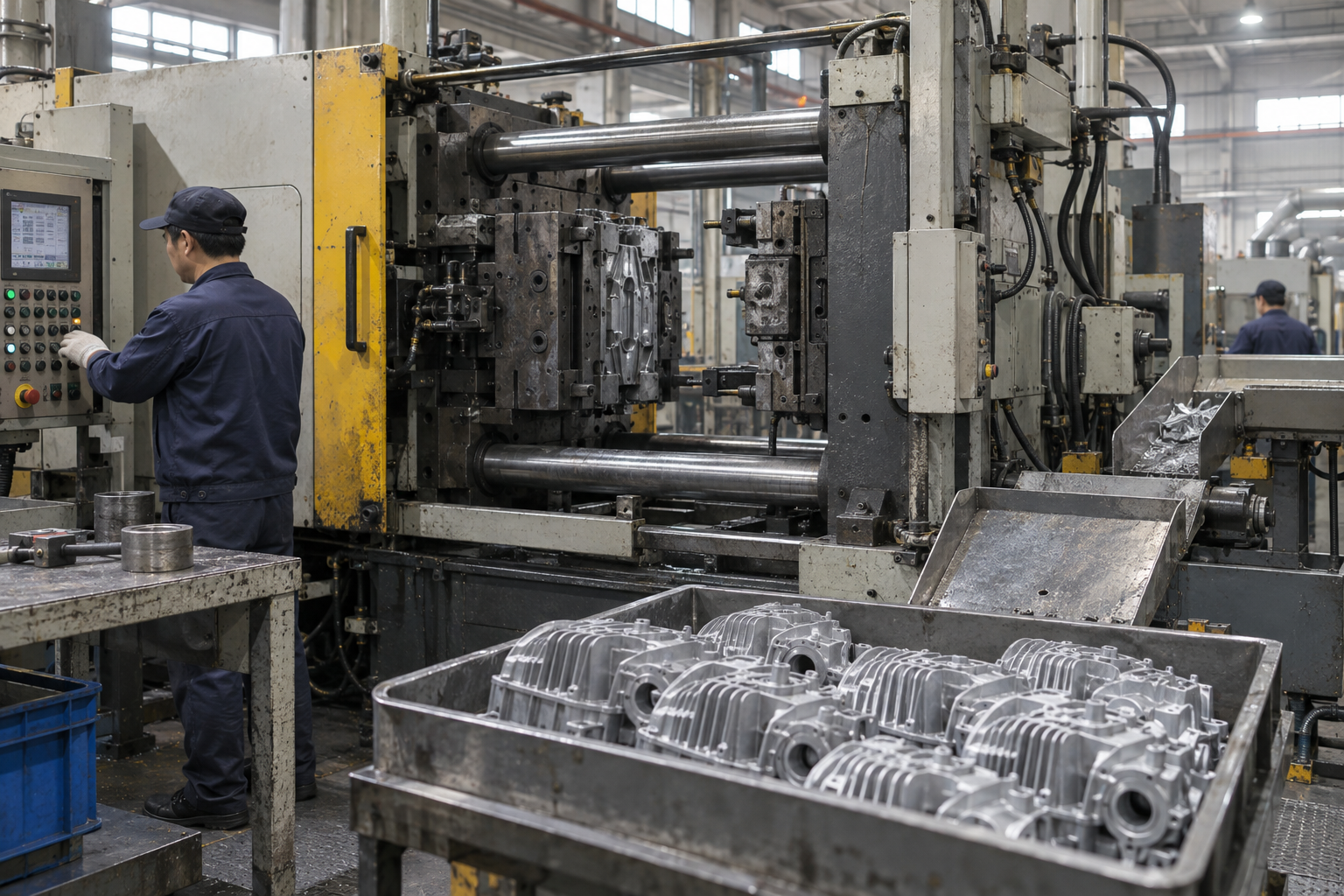
Start with what the casting must do
An aluminium housing, decorative cover, and structural bracket do not need identical inspection plans. Begin with the component’s intended use. Identify mating surfaces, threaded connections, visible areas, and any sealing or load-related requirements. Those functions should guide the supplier discussion and the checks you specify. A long checklist is not automatically a useful one if it overlooks the feature that makes the part work.
Separate casting and finishing requirements
A finished component may pass through casting, trimming, machining, surface preparation, coating, and assembly. Ask which operation creates each critical feature and who controls it. Identify whether dimensions apply before or after finishing. Keep drawing revisions and inspection references consistent across the foundry and any subcontractors. A satisfactory casting can still become an unacceptable finished component if a later operation changes an important feature.
Make the material requirement explicit
Use an agreed material designation rather than a general request for aluminium. Define what material documentation or verification is required for the application and how it links to the supplied batch. Discuss proposed substitutions before accepting them. Similar appearance is not a sound basis for deciding whether two materials are interchangeable. The responsible product engineer should establish the material and performance requirements.
Agree how defects will be judged
NADCA’s technical training treats issues including inclusions, leaking parts, cracks, and flash as distinct die-casting problems. Your acceptance criteria should likewise distinguish cosmetic appearance from functional performance. Do not assume that a clean-looking surface establishes internal soundness. Where a part must seal or meet a specified internal-quality requirement, agree a suitable test method, acceptance limits, and test coverage with the relevant technical specialists.
Inspect the finished interfaces
For a machined housing, a practical review may include critical dimensions, thread checks, burr removal, sealing surfaces, and assembly fit. For a coated part, agree the required finish and any specified coating tests. Use an inspection record that points each result back to the drawing or specification. Avoid imposing generic tolerances or test pressures simply because they were used on a different product.
Use trial production to resolve uncertainty
Before a larger order, review trial parts against the complete requirements. Record deviations, corrective actions, and any approved changes. Make sure the approved reference represents the intended production process. A useful first-article review ends with a clear decision about what is acceptable and what still needs work, rather than a folder of photographs with no documented conclusion.
Reference: NADCA: Die-casting technical education and resources
Discuss your next order
Send your product brief and the questions you need to resolve to info@iqcchina.com.