SOURCING
Choosing a manufacturing partner in China: look beyond the quotation
A practical way to compare suppliers, understand who makes your product, and turn a promising sample into a controlled first order.
Start with the job, not the supplier list
A supplier can offer an attractive price and still be the wrong fit for your order. Before comparing factories in China, define the manufacturing process, material, order quantity, finish, and features that matter most. A producer organised for very large repeat orders may struggle with frequent design changes or small mixed batches. Ask how your order would actually move through its operation, rather than simply asking whether it can make the part.
Understand who will make the product
Establish which company is quoting, which location will manufacture, and which processes will be subcontracted. A trading company can provide useful coordination; a direct factory relationship can offer more immediate technical access. Neither label alone establishes capability. Request a clear explanation of responsibilities for tooling, production, inspection, and shipment. If the answer changes between conversations, resolve that inconsistency before proceeding.
Ask for evidence that matches your product
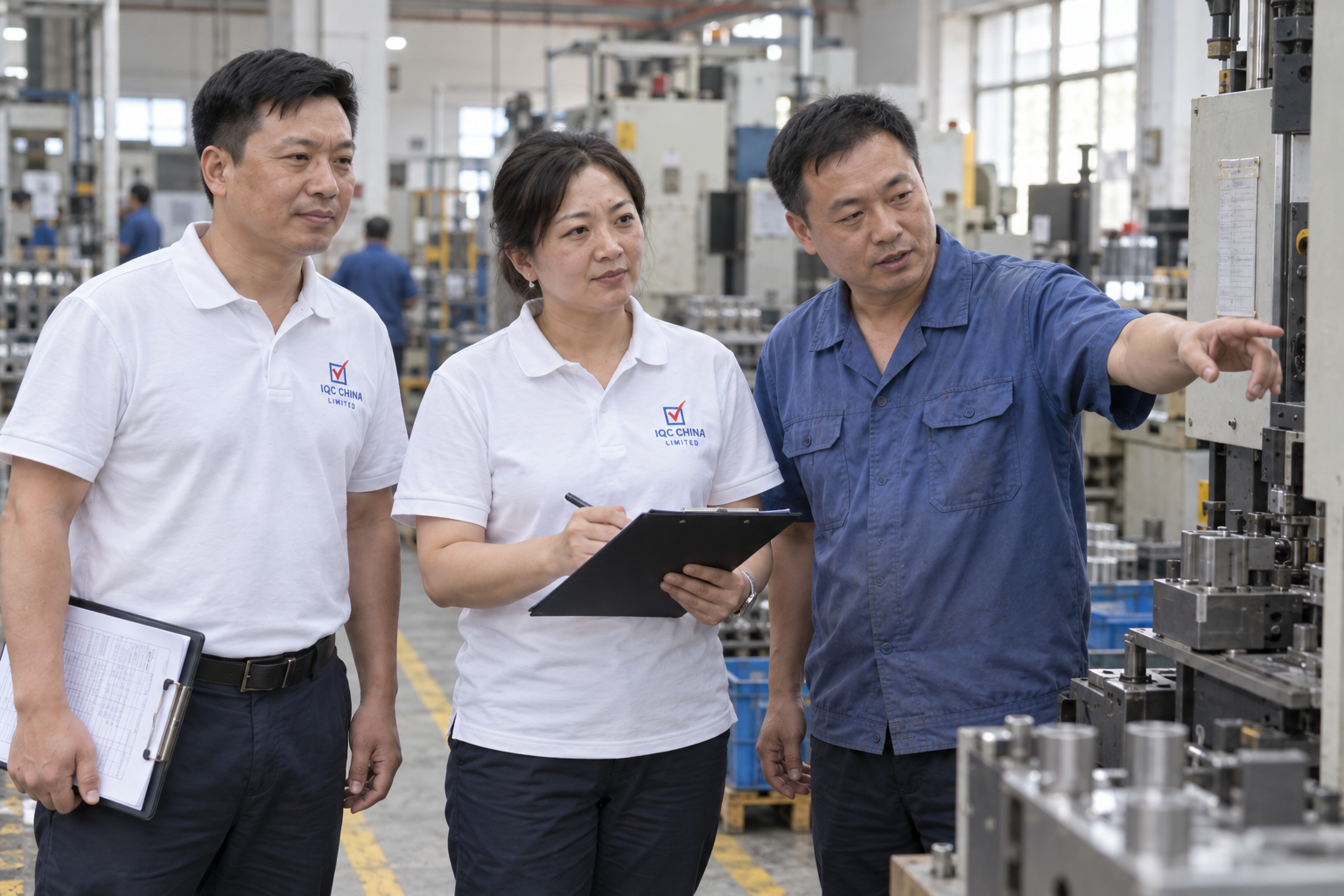
A polished catalogue does not tell you how the supplier handles your tolerances or finish. Ask to see relevant equipment, examples of comparable parts, and a sample inspection record. During a factory visit, follow one order from incoming material to finished goods. Look for how drawings reach operators, how rejected parts are separated, and how batches remain identifiable. Treat certificates as one piece of evidence, rather than a substitute for checking the proposed production process.
Compare quotations on the same basis
Put the offers into a simple comparison sheet. Include the drawing revision, material designation, quantity, tooling, finishing, packaging, inspection scope, and delivery basis. Record exclusions explicitly. A lower quotation may exclude a machining step or use different packaging; a higher one may include work you do not need. Ask suppliers to explain the differences before negotiating the headline price.
Use the first order to test the working relationship
Agree on an approved sample, inspection criteria, milestones, and a named contact for technical questions. A limited initial order can help reveal communication and production issues before you commit to larger volumes. Review not only whether the parts pass, but whether the supplier raises problems early and records changes accurately. The goal is a repeatable working process, not a single good delivery.
Questions for your next supplier call
Who makes the critical features? What is outsourced? Which drawing revision is being quoted? What evidence will be provided before shipment? Write down the answers and have the supplier confirm them. Clear answers give you a stronger starting point for both negotiation and quality planning.
Discuss your next order
Send your product brief and the questions you need to resolve to info@iqcchina.com.